Beginner’s Guide to DIY Skincare Handbook
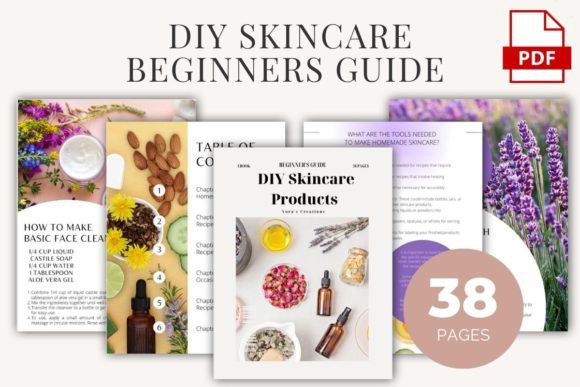
Many of us dream of a skincare routine that feels truly personal—free from harsh chemicals, tailored exactly to our skin’s needs, and made with ingredients we can actually pronounce. The Beginner's Guide DIY Skincare Handbook turns that dream into a practical, empowering reality. It’s not just a collection of recipes; it’s a carefully structured journey that takes you from curious beginner to confident creator, all from your own kitchen. Whether you’re a busy professional seeking a mindful hobby, a content creator hunting for authentic material, or an aspiring entrepreneur exploring clean beauty, this ebook becomes your trusted companion.
What Makes This Guide Truly Beginner-Friendly
Starting anything from scratch can feel overwhelming, especially when you’re dealing with ingredients you might not recognize. This handbook breaks down the barrier by starting with the absolute basics. It walks you through fundamental concepts like emulsifying oils and water, understanding pH balance, and preserving your creations safely—without assuming prior knowledge. The tone is supportive and clear, much like a patient friend guiding you through each step.
What sets it apart is the structure. You won’t find vague advice like “mix some oils together.” Instead, you get step‑by‑step instructions that cover precise measurements, equipment setup, and troubleshooting tips. Even if you’ve never melted shea butter or measured a gram of citric acid, the handbook ensures you feel capable. The early chapters focus on building a small, affordable starter kit so you can experiment without committing to a huge investment. This approachable design makes it ideal for adults who value both creativity and reliability—designers, educators, hobbyists, and anyone who learns best by doing.
Customization: Your Skin, Your Rules
One-size-fits-all rarely works in skincare. The true magic of the Beginner's Guide DIY Skincare Handbook lies in its customization techniques. The book teaches you to read your own skin’s signals and adjust recipes accordingly. Say you love a basic face cream but find it too heavy for your T‑zone. You’ll learn how to tweak the oil phase—substituting a lighter oil like grapeseed for a richer one like avocado—to get that perfect satin finish.
Here are a few examples of how readers adapt the frameworks to their unique concerns:
- For sensitive or reactive skin: The handbook guides you toward soothing botanicals like colloidal oatmeal, chamomile hydrosol, and calendula oil. A reader might craft a minimalist balm cleanser that removes impurities without stripping the skin’s barrier.
- For acne-prone complexions: You’ll explore non‑comedogenic ingredients and learn to incorporate gentle exfoliants such as willow bark extract or finely ground rice. A clear, gel-based spot treatment becomes a kitchen‑made staple.
- For mature or dehydrated skin: Recipes can be enriched with antioxidant‑rich oils (rosehip, argan) and humectants like glycerin or honey. A custom night serum might blend these to smooth fine lines and lock in moisture overnight.
This adaptability doesn’t just save money—it builds a deeper connection with your skincare routine. Every jar becomes a reflection of your self‑awareness, which is especially powerful for bloggers and small business owners who want to share genuine origin stories with their audience.
From Kitchen to Vanity: Practical Recipes and Everyday Hacks
Beyond the theory, the handbook is packed with ready‑to‑make formulations that bring immediate satisfaction. A crowd‑favorite is the three‑ingredient clay mask: you combine gentle French green clay with rose water and a few drops of jojoba oil, then apply for ten minutes. It’s simple enough for a weekday evening, yet the results feel like a mini spa treatment. The instructions include tips on preventing a mess—like using a wooden spoon and glass bowl to preserve clay’s properties—showing the attention to detail that makes the book so useful.
The bonus material amplifies this practical side. Included is a resources page with trusted supplier lists, storage guidelines, and extra strategies for scaling up your hobby. If you want to make a small batch for a friend’s birthday or prepare travel‑sized versions, those strategies come in handy. The extra tips often save you from common pitfalls, such as oils going rancid due to improper storage or emulsions separating because of temperature shifts. This grounded approach ensures that your creative work doesn’t go to waste.
Beyond Skincare: Expanding Your DIY Repertoire
Many beginners assume that homemade beauty stops at creams and scrubs. The Beginner's Guide DIY Skincare Handbook pleasantly surprises you by venturing beyond skincare. You’ll find carefully tested recipes for makeup essentials like a natural mineral foundation that matches your skin tone, and even a clarifying shampoo bar that reduces plastic waste in your bathroom. This expansion transforms the guide from a single‑interest manual into a holistic beauty companion.
For a freelance graphic designer, for example, this opens up a complete creative branding exercise. Imagine designing labels for a matching set of lotion bar, dry shampoo, and tinted lip balm—all made from the book’s recipes. That kind of cohesive, personal product line isn’t just fun to build; it can become a thoughtful gift or a signature side hustle. The foundation recipe, in particular, tends to spark excitement because it demystifies color theory and texture that store‑bought brands keep hidden. Learning to adjust coverage from sheer to medium by blending zinc oxide, sericite mica, and iron oxides becomes a tactile, meditative process.
Creative Possibilities for Entrepreneurs, Bloggers, and Creatives
The handbook becomes far more than an instruction booklet when you start thinking about applications. A content creator on Instagram or YouTube can film the entire process of crafting a brightening turmeric face polish, using the step‑by‑step framework as a script outline. Because the recipes are thoroughly explained, you can speak with authority and build trust quickly. You might host a live workshop for your followers, showing them how to personalize their own whipped body butter—turning a one‑way post into an interactive community event.
For a small business owner or marketer, the ebook acts as a low‑risk product development lab. You can prototype a collection of aromatic rollerballs (safety‑tested of course), test them with local focus groups, and refine your brand narrative based on real‑world feedback. The book’s emphasis on natural, non‑toxic ingredients also gives you a ready‑made ethical angle that resonates with today’s conscious consumers. You’re not just selling a product; you’re sharing a philosophy of clean living.
An educator or workshop facilitator might extract lesson plans from the book’s structure. The gradual progression from basic hygiene and workspace setup to advanced emulsion techniques mirrors a curriculum that can be taught over a weekend retreat or a six‑week online course. The bonus resources page becomes a curated reading list for students who want to dive deeper, keeping the educator’s workload light while offering genuine value.
Learning Never Stops: The Bonus Resources and Continuous Growth
One of the most overlooked challenges of taking up a new skill is hitting a plateau. The Beginner's Guide DIY Skincare Handbook addresses this head‑on with a section dedicated to continuous learning. The extra strategies include seasonal skincare adjustments—lighter gels for summer humidity, richer balms for winter dryness—so your journey evolves with the calendar. The additional resources page isn’t just a throwaway list; it points you toward reputable books, ingredient databases, and online communities where you can ask questions and share your latest breakthroughs.
This ongoing support means the handbook stays relevant long after you’ve made your first successful recipe. A freelance writer might use the deeper ingredient research to craft authoritative articles for wellness platforms. A busy parent can revisit the quick‑prep section for last‑minute teacher appreciation gifts. The material grows with you, encouraging a mindset of playful experimentation rather than rigid following of rules.
Prepping for That Special Glow
We all have moments when we need our skin to look its absolute best—a wedding, a job interview, a long‑awaited reunion. The handbook dedicates thoughtful attention to preparing your skin for special occasions. Rather than resorting to harsh, instant‑effect products, you learn to build a gentle pre‑event routine over a week: a calming mask to reduce redness, a hydrating serum to plump, and a soothing mist to refresh throughout the day. These protocols are designed to be fail‑safe, using ingredients you’ve already tested on your own skin, so there’s no risk of a last‑minute reaction.
By the end of this book, you’ll not only have a shelf full of personalized products but also a deep, intuitive understanding of what makes your skin thrive. You’ll read ingredient labels with a critical eye, spot marketing gimmicks, and feel immense satisfaction every time you apply a cream you made with your own hands. The Beginner's Guide DIY Skincare Handbook doesn’t just teach skills—it reshapes your relationship with self‑care, turning a daily chore into a creative ritual that you’ll genuinely look forward to.